
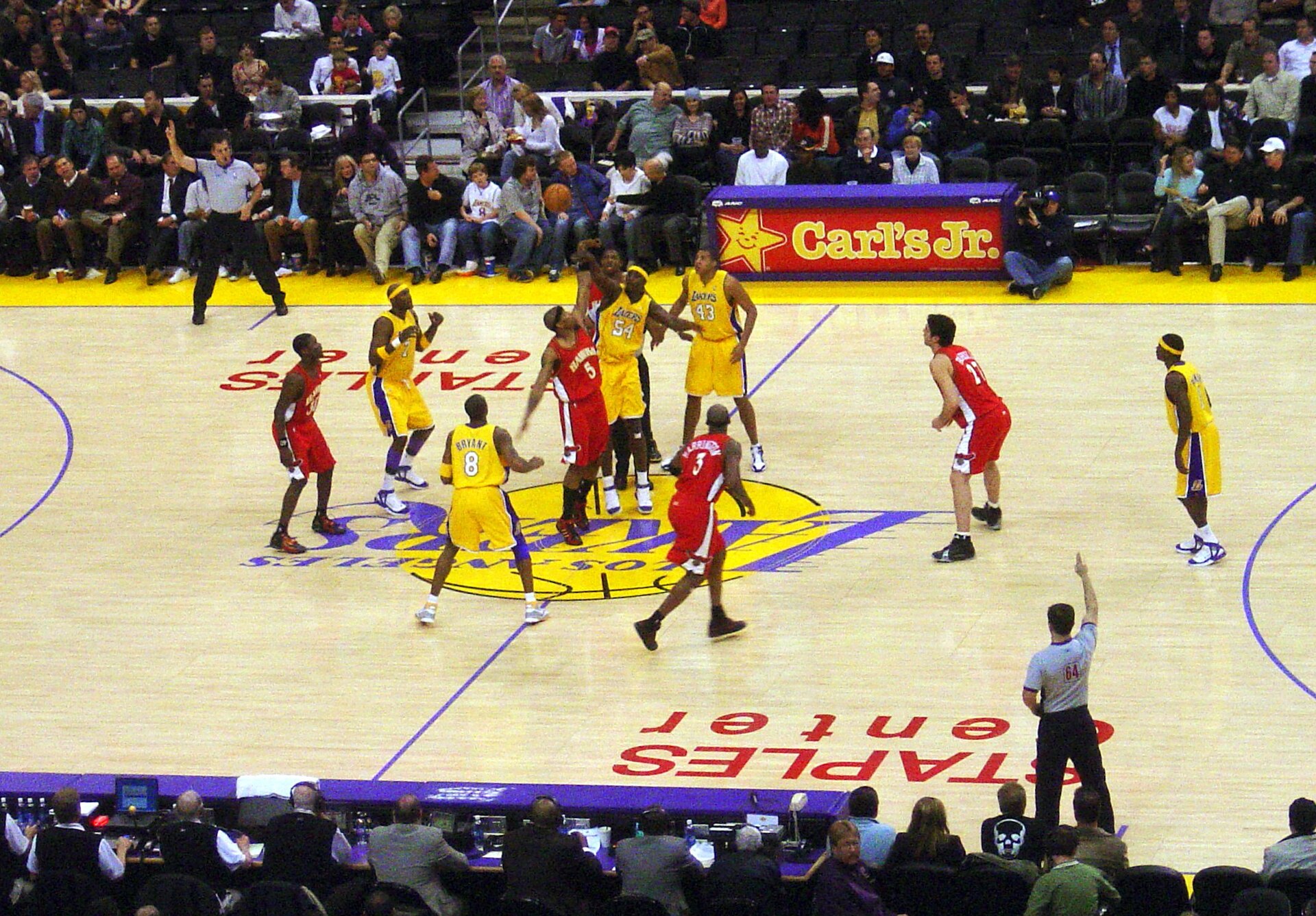

NBA first quarter betting narrows the game down to a single, twelve-minute window—usually just the starters, before rotations and garbage time blur the picture. That smaller sample can make first-quarter numbers feel cleaner to read than a full-game line, but it also comes with its own quirks worth understanding before you use them.
Table of Contents
What a First-Quarter Line Actually Measures

A first-quarter spread or total is a market’s estimate of what happens in the opening twelve minutes only. It’s derived from the same inputs as the full-game line—team strength, pace, matchup factors—but scaled down and adjusted for the fact that this window almost always features each team’s top rotation players in a fairly predictable role.
Because bench depth, foul trouble, and fourth-quarter strategy (resting starters, deploying zone looks, garbage-time lineups) don’t factor into the first quarter, the number is trying to isolate something closer to “these two rosters, at full strength, for one quarter.” That’s a different question than “who wins the game,” even though the two are related.
How First-Quarter Numbers Relate to the Full Game
A common way books and bettors approach 1Q lines is as a fraction of the full-game number. If a full-game total sits at, say, 224, a first-quarter total might land somewhere in the neighborhood of a quarter of that, adjusted slightly for the tendency of opening quarters to run a bit faster or slower than the game’s overall pace.
The same logic applies to spreads. A full-game favorite of -7 might carry a first-quarter spread of roughly -2, again scaled down rather than divided evenly, since blowout margins tend to build in the second half as fatigue and depth take over.
Reading the two together can be useful:
- If the 1Q line looks unusually large relative to the full-game line, it may suggest the market expects the favorite’s edge to show up early rather than accumulate gradually.
- If the 1Q number looks flat relative to the full game, that can reflect an expectation of a slower start with the real separation coming later.
Neither pattern tells you what will happen—it just tells you what the market is pricing in for the shape of the game.
Fast Starters and Slow Starters as a Concept
Some teams, based on style, tend to open games with higher-tempo, higher-usage stretches for their best players, while others ease into a game more deliberately. This isn’t a fixed label—it changes with personnel, coaching philosophy, and matchup—but it’s a real factor that first-quarter lines are built to account for.
A few things that tend to influence a team’s opening-quarter tendencies:
- Rotation philosophy. Teams that lean heavily on their top few players early will post different first-quarter numbers than teams that stagger minutes to keep a scorer on the floor throughout.
- Pace preference. A team that pushes tempo out of the gate creates more possessions in twelve minutes, which affects the total more than the spread.
- Matchup-specific game plans. Some coaches script early offense around a particular mismatch, which can front-load scoring for one side.
None of this is static from game to game. It’s a lens for interpreting why a 1Q line might diverge from a simple fraction of the full-game number, not a label to apply blindly.
Why the Read Can Feel Cleaner—And Where That Breaks Down
The appeal of a smaller window is that it removes some of the noise that muddies full-game numbers: bench performance, fourth-quarter execution, and end-of-game strategy all fall away. What’s left is closer to a matchup of each team’s top rotation, which can make the underlying logic of the number easier to follow.
But “cleaner” doesn’t mean “more predictable.” Twelve minutes is a small sample in basketball terms, and single-possession swings—an early foul, a hot shooting stretch, a slow defensive rotation—can move the score more than they would over a full game. The signal may be easier to understand, but the variance around any single quarter is still real.
Liquidity and Limits on Smaller Windows
First-quarter markets typically carry thinner limits and less liquidity than full-game lines. Fewer bettors are active in these markets, and books manage risk more conservatively on a number tied to a shorter, higher-variance window.
That matters for a few practical reasons:
- Lines can move more sharply on relatively modest volume, since there’s less depth absorbing the action.
- Number availability can vary more by book, so comparing lines across multiple sources is often worth the extra step for a 1Q market specifically.
- Because these markets are thinner, discrepancies between books can be more pronounced than they are on full-game lines.
A platform like BetSlate can help here simply by putting first-quarter and full-game numbers side by side, so the relationship between them—and any gaps across books—is easier to see in one place.
Putting It Together
First-quarter lines aren’t a shortcut to an easier read on a game; they’re a different question, focused on a specific slice of it. Understanding how that slice relates to the full-game number, what shapes a team’s early-game tendencies, and how thin liquidity can affect line movement gives you the context to interpret the number rather than just react to it. The decision of what to do with that number is still yours to make.
Frequently Asked Questions
What is a first-quarter line in NBA betting?
It’s a spread or total that applies only to the first twelve minutes of the game, rather than the full 48. It’s typically derived from the full-game line but scaled down and adjusted for the tendencies of each team’s starting rotation.
How is a first-quarter total different from dividing the full-game total by four?
Books don’t simply divide by four—they adjust for the fact that opening quarters can run faster or slower than the game’s overall average pace, and for how heavily each team’s early offense relies on its top players.
Why might a team be considered a “fast starter”?
It usually reflects a team’s rotation philosophy or pace preference—some coaches concentrate their best players’ usage early, or push tempo from the opening tip, which can show up in first-quarter numbers over time.
Are first-quarter lines riskier to bet than full-game lines?
They carry more variance because twelve minutes is a smaller sample than 48, and single possessions can swing the score more noticeably. They also tend to have thinner liquidity, which can affect how lines move.
Why do first-quarter markets often have lower limits than full-game markets?
Fewer bettors are active in shorter-window markets, so books manage risk more conservatively and offer less depth, which is also why lines in this market can shift more sharply on comparatively modest volume.