
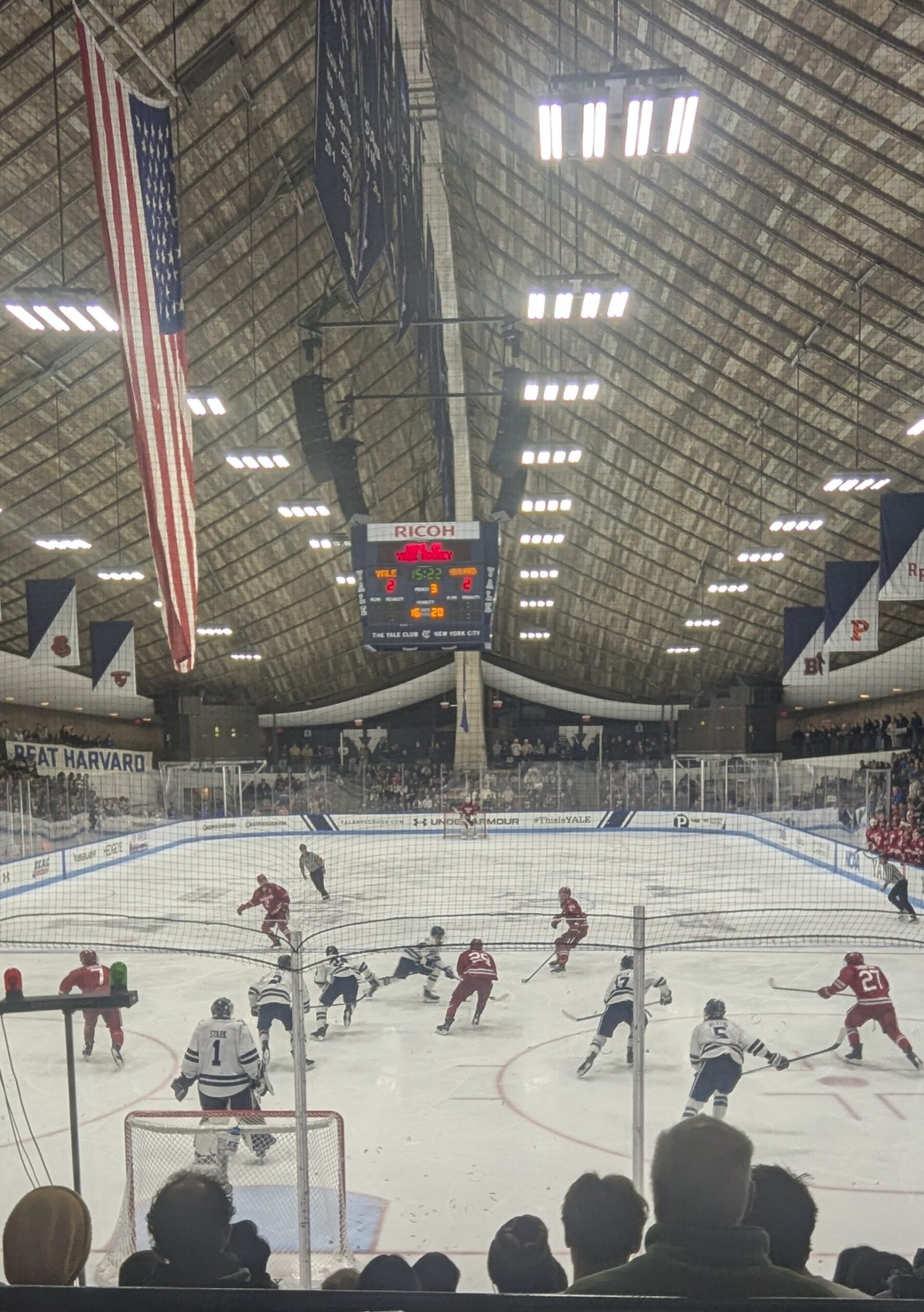

Hockey doesn’t lend itself to point spreads the way football and basketball do — goals are too scarce. That’s why the NHL uses a fixed spread called the puck line, almost always set at 1.5 goals, with the payout odds doing the work that a moving spread would do in other sports. Understanding the puck line explained in plain terms makes it easier to see when it’s worth using and when the moneyline is the simpler tool.
Table of Contents
What the Puck Line Actually Is

The puck line is a spread bet fixed at 1.5 goals in the vast majority of NHL games. The favorite has to win by 2 or more goals to cover; the underdog covers if they win outright or lose by exactly 1 goal.
Because the spread itself never moves, sportsbooks adjust the price instead. A heavy favorite might be -1.5 (+160), meaning you win $160 on a $100 bet if they win by 2+. The underdog is usually priced around -1.5… no — the underdog is +1.5, often at something like -190, meaning you’d need to risk $190 to win $100, since covering is easier when a loss by 1 goal still counts.
That’s the core mechanic: the number stays put, and the odds shift to reflect how likely a 2-goal margin actually is.
Why Favorites Pay Plus Money on the Puck Line
This trips up bettors coming from other sports. A favorite that’s -160 on the moneyline can flip to +150 or more on the puck line. Nothing strange is happening — it’s the same game, viewed through a harder condition.
Winning outright is one thing. Winning by 2+ goals is a taller order in a sport where the average game is decided by a goal or two. So the market pays out at plus money to compensate for how much less often that wider margin happens, even for a strong favorite.
This is where the puck line becomes a genuine decision, not just a spread to default to. A bettor comparing -160 on the moneyline against +150 on the puck line is really asking: how much confidence do I have that this team wins comfortably, not just wins?
Empty-Net Goals: The Great Equalizer
Empty-net goals are the single biggest reason puck line outcomes can look different from how the game actually played out. A trailing team pulls its goalie in the final minutes to add an attacker, and if the leading team scores into the empty cage, a 1-goal game can become a 2-goal cover in the last 90 seconds.
A few things worth keeping in mind:
- Empty-net goals disproportionately help favorites cover -1.5, since they usually come when the favorite is already protecting a lead.
- They also work against underdog bettors on +1.5 who were tracking a 1-goal loss right up until the final minute.
- Because these goals are somewhat unpredictable — tied to coaching decisions, faceoff wins, and empty-net shot attempts — they add a layer of variance that a straight moneyline bet doesn’t carry.

None of this means the puck line is “unfair.” It just means the extra goal at the end is part of the price you’re paying for better odds, in either direction.
Puck Line vs. Moneyline: The Trade-Off
The choice between the two comes down to what kind of game you expect and how much you value price versus simplicity.
When the Puck Line Makes Sense
The puck line can be worth a look when a favorite looks well-positioned to win comfortably — a big goaltending mismatch, a team playing with a full lineup against one missing key players, or a matchup where the underdog’s own numbers suggest they’ll struggle to generate offense. In those spots, the plus-money price on -1.5 can be more attractive than a short moneyline price, since it reflects the market’s uncertainty about margin, not about the outright winner.
It can also make sense on the underdog side. Taking +1.5 at a shorter price than the underdog moneyline is, in effect, a bet that the game stays close, without needing to predict the actual winner.
When the Moneyline Is the Simpler Tool
If a matchup looks tight — two teams close in scoring rate and goaltending — the extra goal of the puck line adds a condition that may not match the shape of the expected game. In close matchups, the moneyline is often the more direct way to express a view on who wins, without the added empty-net variance layered on top.
Reading the Numbers Side by Side
The most useful habit is simply comparing all three numbers before deciding: the favorite moneyline, the underdog moneyline, and the puck line price on both sides. Looking at them together shows how much the market is charging for the extra goal of cushion, and whether that price matches your own read on the game.
Some bettors track these prices across a shortlist of games to see how the puck line premium moves from matchup to matchup — a site like BetSlate can help by pulling the moneyline and puck line numbers into one dashboard, so the comparison takes a glance instead of several tabs.
Featured image — Photo: Nickknack00 / CC BY-SA 4.0, via Wikimedia Commons
Frequently Asked Questions
Is the puck line always set at 1.5 goals?
In the vast majority of NHL games, yes. Some sportsbooks occasionally offer alternate lines at 2.5 goals or larger, but the standard puck line you’ll see listed by default is 1.5.
Why would I take the puck line instead of the moneyline on a favorite?
The puck line on a heavy favorite often pays plus money, since winning by 2+ goals is harder than winning outright. If you expect a comfortable win, that price can be more attractive than a short moneyline price for the same outcome.
How much do empty-net goals actually affect puck line results?
They’re a meaningful factor. A one-goal game can become a two-goal cover in the final minute once a team pulls its goalie, which is why puck line results sometimes look different from how competitive the game actually felt.
Does the underdog puck line always cost more than the underdog moneyline?
Typically, yes, because covering +1.5 only requires losing by 1 or winning outright, which is an easier bar than winning outright alone. That easier bar is why the price is usually shorter.
Can the puck line be a lower-risk way to bet on a favorite?
It depends on the matchup. Puck line and moneyline are different bets with different conditions, not simply safer or riskier versions of each other — comparing the price and the expected margin for that specific game is what matters.