
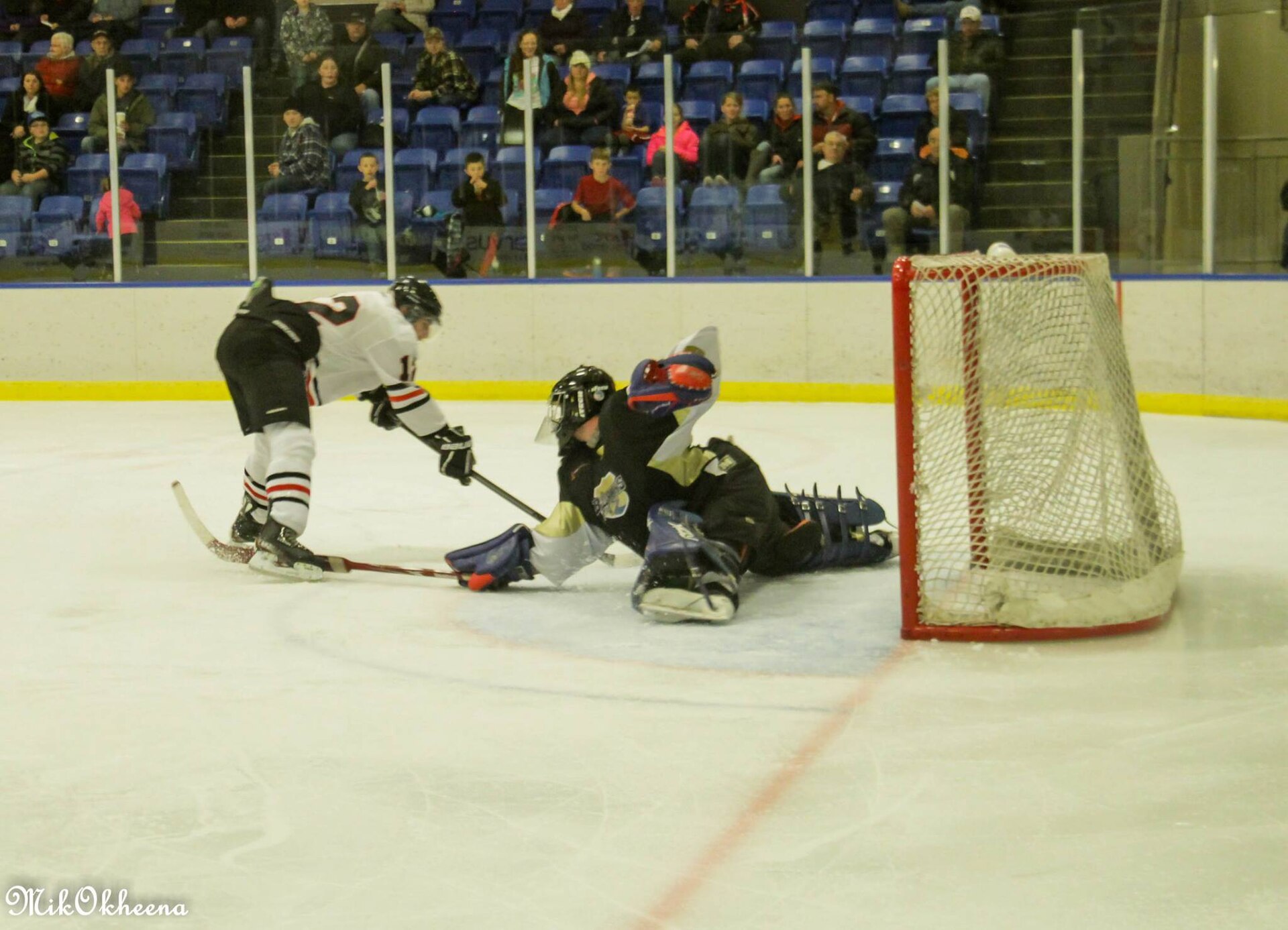

No single piece of news moves a puck line faster than a goalie announcement. If you’re serious about nhl starting goalie betting, understanding how and when that news hits the market matters more than any other handicapping skill in the sport. This piece walks through why goalies dominate line movement, how backup-versus-starter price swings work, and what to do when you catch the news late.
Table of Contents
Why Goalies Move Lines More Than Any Other Factor

Hockey is a low-scoring, variance-heavy game, and the goalie is the one player who touches nearly every high-leverage moment. A team’s win probability can shift several percentage points depending on which goalie is between the pipes, and that shift is concentrated in one single, binary piece of information: who’s starting tonight.
Compare that to other sports. A quarterback change or a star scratch matters, but football and basketball spread impact across many possessions and players. In hockey, one man faces 25-35 shots and directly determines how many go in. That concentration of influence is exactly why the market reacts so sharply the moment a name is confirmed.
Starter vs. Backup: What the Price Swing Looks Like
The gap between a team’s clear starter and their backup is usually the single largest line movement you’ll see outside of a major injury elsewhere in the lineup. Say a favorite is priced at -150 with their normal starter. If word breaks that the backup is getting the net instead, that same team might drift to -115 or even flip to an underdog, depending on the quality gap between the two goalies and the opponent.
The size of the swing depends on a few things:
- The talent gap. A backup who’s a capable NHL goalie in his own right moves the number less than a true third-stringer or an emergency call-up.
- Sample size and role. A backup with a small but strong track record creates more uncertainty (and sometimes less movement) than one with a clear, poor body of work.
- The opponent’s style. A team that generates a lot of high-danger chances will punish a shaky goalie more than a low-volume, puck-possession team will.
- Back-to-back context. Rest patterns are often predictable in advance, which is why some of this movement happens well before morning skate.
Timing: When Confirmations Actually Hit
Goalie news doesn’t arrive all at once. It tends to move through a few stages, and each one carries a different level of reliability.
Early Indicators
Rest patterns, recent workload, and coach comments after the previous game often hint at a goalie change a day or two out. This is soft information — useful for narrowing expectations, not for treating as confirmed.
Morning Skate
This is where a lot of real signal shows up. Which goalie takes the “starter” reps, or simply how the pairs are grouped, often leaks the decision hours before it’s official. Line movement frequently starts here, well before any formal announcement.
Official Confirmation
Beat reporters and team accounts post the confirmed starter, typically one to three hours before puck drop. This is the moment the market treats as fact, and it’s when you’ll see the sharpest, fastest price adjustment.
Warmups
Occasionally a late scratch or illness swaps the goalie even after morning confirmation. It’s rare, but it’s the last checkpoint before the line is fully baked in.
Reading a Line Move You Missed
If you check a game and the number has already jumped, don’t guess — look for the cause. A two- or three-cent move on a puck line rarely means goalie news; a full swing from favorite to pick’em or beyond usually does.
A simple process:
1. Check goalie confirmation trackers before assuming the move is random or driven by public betting. 2. Compare the current price to the opening number. A sudden, large gap concentrated around morning skate or a few hours pregame is the classic signature of a goalie swap. 3. Look at both sides. If only one team’s number moved sharply while the other stayed flat, that points to a single-player cause, which almost always means a goalie. 4. Accept that you may be late. Once a confirmation is public and the market has adjusted, the edge from that specific piece of news is gone. The lesson is procedural: build a habit of checking earlier next time, not chasing the new number.
Building a Repeatable Process
Because goalie news follows a predictable timeline, it rewards a routine rather than a one-off check. Set a habit of looking at confirmed and probable starters at a consistent point each day — for many bettors that’s late morning for matinee games and mid-afternoon for evening slates — and again closer to puck drop to catch any late scratches.
Consistency matters more than speed here. You don’t need to be the very first to see a name; you need to see it before the market has fully repriced. A dashboard like BetSlate that surfaces goalie confirmations and current lines side by side can make that daily check faster, so you spend less time hunting for the news and more time deciding what to do with it.
Featured image — Photo: Rabbit Hill Beer / CC BY-SA 4.0, via Wikimedia Commons
Frequently Asked Questions
Why does a goalie change move the line more than a single skater being scratched?
A goalie faces nearly every shot in the game and single-handedly influences save percentage, so his identity has a much larger, more concentrated effect on win probability than any one forward or defenseman.
How early can I reasonably expect goalie news before a game?
Soft hints often appear a day or two out through rest patterns and coach comments, stronger signal frequently shows up at morning skate, and official confirmation typically lands one to three hours before puck drop.
Is morning skate information reliable enough to act on?
It’s often directionally useful since goalie groupings can hint at the starter, but it isn’t guaranteed — treat it as a probability update rather than a confirmed fact until the official announcement.
What should I do if I notice a big line move and don’t know why?
Check a goalie confirmation source first, since a large, sudden swing concentrated on one team is the classic signature of a starter change rather than general betting activity.
Does the size of the price swing tell me anything useful?
Yes — a larger swing generally reflects a bigger perceived talent gap between the starter and backup, while a smaller move suggests the market sees the two goalies as closer in quality.