
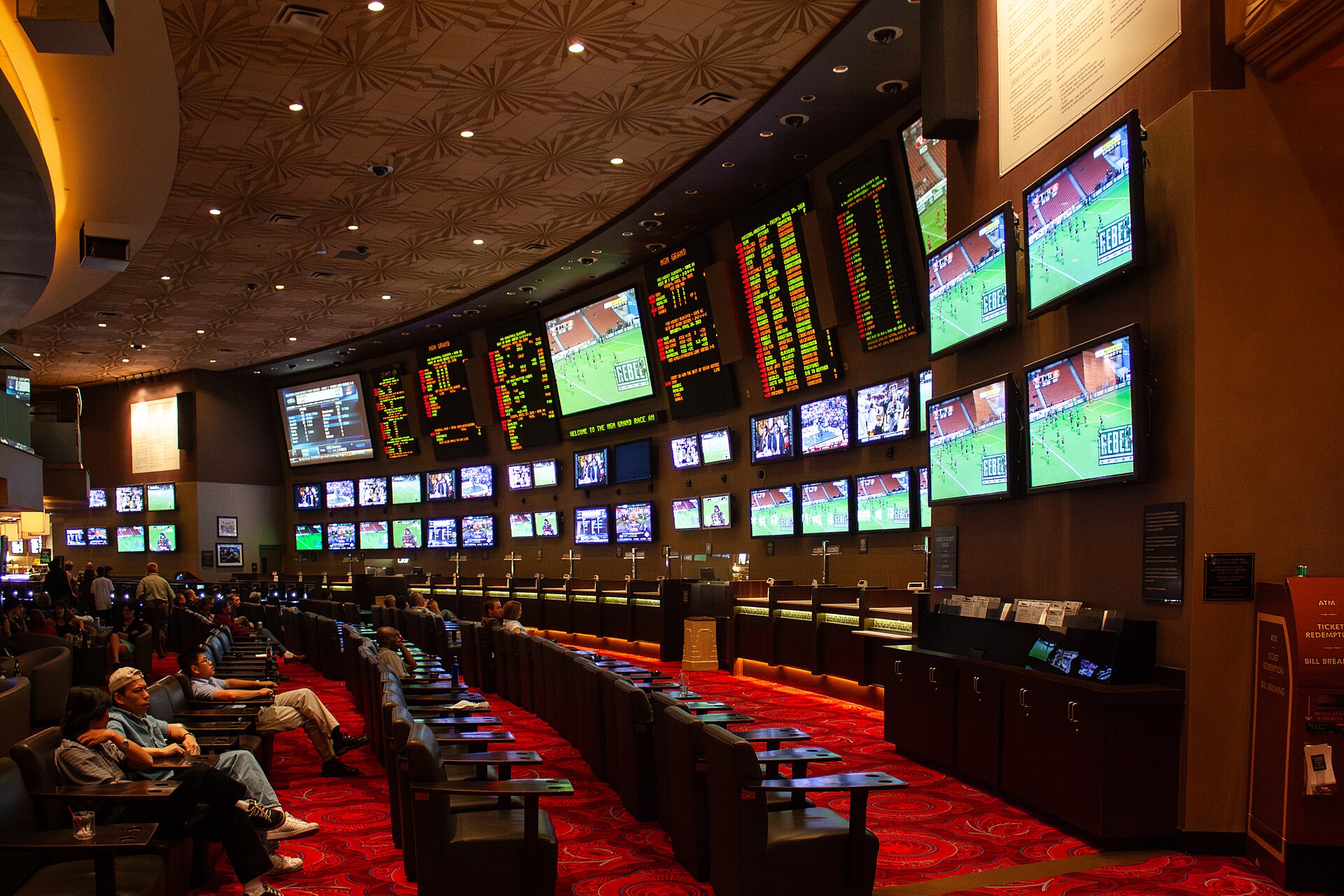

Line shopping betting is the habit of checking a game’s price at more than one book or market before placing a wager, since the same matchup rarely carries the exact same number everywhere. A half-point on a spread or a five-cent swing on a moneyline looks trivial in isolation, but it adds up fast across a season of wagers. This guide walks through why prices diverge and how to build a quick shopping routine around it.
Table of Contents
Why the Same Game Has Different Numbers
Every book and market sets its own price based on its own liability, its own customer base, and its own read on early action. One book might open a spread half a point higher than another simply because its clientele leans a certain way on a given team. Prediction markets price things by supply and demand from traders rather than a house-set line, so they can drift independently of sportsbook prices entirely.
None of this means one source is “right” and another is “wrong.” It means the market for a single game is really a collection of smaller markets, each responding to its own inputs. That’s the whole premise behind line shopping betting: the dispersion itself is useful information, not noise to be ignored.
How Half-Points Add Up
A half-point rarely changes the outcome of a single bet. Over many bets, it changes outcomes more often than most people expect.
Say a team is favored by 3.5 at one book and 3 at another. If that game lands on exactly 3, the bettor who had the team at -3 pushes and gets their stake back, while the bettor who had -3.5 loses outright. Key numbers in football — 3 and 7 especially — make half-point differences around those margins disproportionately valuable compared to a half-point at, say, 9.5 or 12.5.
The same logic applies to totals. A game that lands on exactly 44 turns a bettor at 44.5 into a loser (or winner) while the bettor at 43.5 pushes. None of this requires predicting the score more accurately — it just requires having checked more than one number before betting.
Five-Cent Differences on the Moneyline
Point spreads get most of the attention, but moneyline and vig differences matter just as much, especially on sides and totals priced at -110 versus -105.
Say a bettor places the same total of wagers, all at even hypothetical odds, but one group is priced at -110 and the other at -105 across the board. The -105 group requires less money risked to win the same amount, which means the breakeven win rate needed to stay profitable is lower. This is sometimes called “beating the vig,” and it’s a purely structural edge — it doesn’t depend on picking winners any more accurately than before.
A simple way to see it: at -110, a bettor needs to win roughly 52.4% of bets to break even. At -105, that breakeven point drops to roughly 51.2%. That gap exists before a single game is played, just from shopping the price.
A Simple Shopping Routine
Line shopping betting doesn’t require constant monitoring. A short, repeatable routine before placing a wager covers most of the benefit.
- Check the number at two or three sources minimum. This can be sportsbooks, prediction markets, or a mix — the point is comparison, not loyalty to one.
- Note the shape of the market, not just one price. A spread that’s -3 at one place and -3.5 at another tells you where the key number risk sits.
- Compare vig on both sides, not just the line. A book with a “better” spread can still charge more on the moneyline side, so look at both together.
- Decide before checking, not after. Deciding what side and rough size to bet first, then shopping the best number for that decision, keeps the process about pricing rather than chasing whichever numbers look most favorable in the moment.
A routine like this takes a few extra minutes and turns line shopping from an occasional habit into a consistent part of how a bet gets placed.
The Best Number Matters More Than the Best Pick
It’s tempting to think that finding the right side of a bet matters more than finding the right price for it. Over the long run, price discipline tends to matter just as much, because it’s the one part of betting that doesn’t depend on predicting anything.
A bettor who is right about a game 55% of the time but always takes the worst available number will do meaningfully worse than a bettor who is right the same 55% of the time and consistently gets the best number available. Pick quality and price quality are separate skills, and only one of them is fully within a bettor’s control at the moment of placing a bet.
This is also why line shopping betting is additive rather than a shortcut. It doesn’t replace the work of evaluating a matchup — it just makes sure that work isn’t undercut by an unnecessarily worse price. Tools like BetSlate exist to make that comparison easier by gathering numbers from multiple sources in one dashboard, so the shopping step takes seconds instead of several open tabs.
Putting It Together
Treating a game’s price as a single fixed number overlooks how markets actually work. The number moves depending on where you look, and those differences compound over a season in ways that are easy to underestimate and simple to capture. A short shopping habit — checking a couple of sources, watching key numbers, and comparing vig — is a low-effort way to make sure the numbers work in your favor before a bet is even placed.
Frequently Asked Questions
Is line shopping betting only useful for large bets?
No — the benefit scales with volume of bets over time, not size of any single bet. A bettor who places many smaller wagers over a season benefits from consistent price discipline just as much as someone placing fewer, larger ones.
Do prediction markets count as part of line shopping?
Yes. Prediction markets price contracts based on trader supply and demand rather than a house-set line, so their numbers can move independently of sportsbook prices, making them a useful additional data point when comparing a game’s price.
Why do half-points matter more around numbers like 3 and 7 in football?
Those are common final margins of victory, so a game landing exactly on them makes a half-point the difference between a win, a loss, and a push. Totals and other sports have their own common landing numbers where the same logic applies.
How much difference does vig actually make over time?
A few cents of vig changes the breakeven win rate needed to stay profitable, and that shift applies to every wager placed at that price. Over a large number of bets, that structural difference can outweigh small edges in pick quality.
Does line shopping betting mean switching accounts constantly?
Not necessarily — it means checking available numbers across whatever sources a bettor already uses before placing a wager. The goal is price awareness, not maintaining as many accounts as possible.